
Start with how much you want to tend the fire. That one answer narrows six types of smoker to one or two. Then pick the flavor you want from the fuel, a size that fits what you cook, and check that it is built to hold heat. Our scores show one trade to know first: the types that are easiest to run score lowest to last.
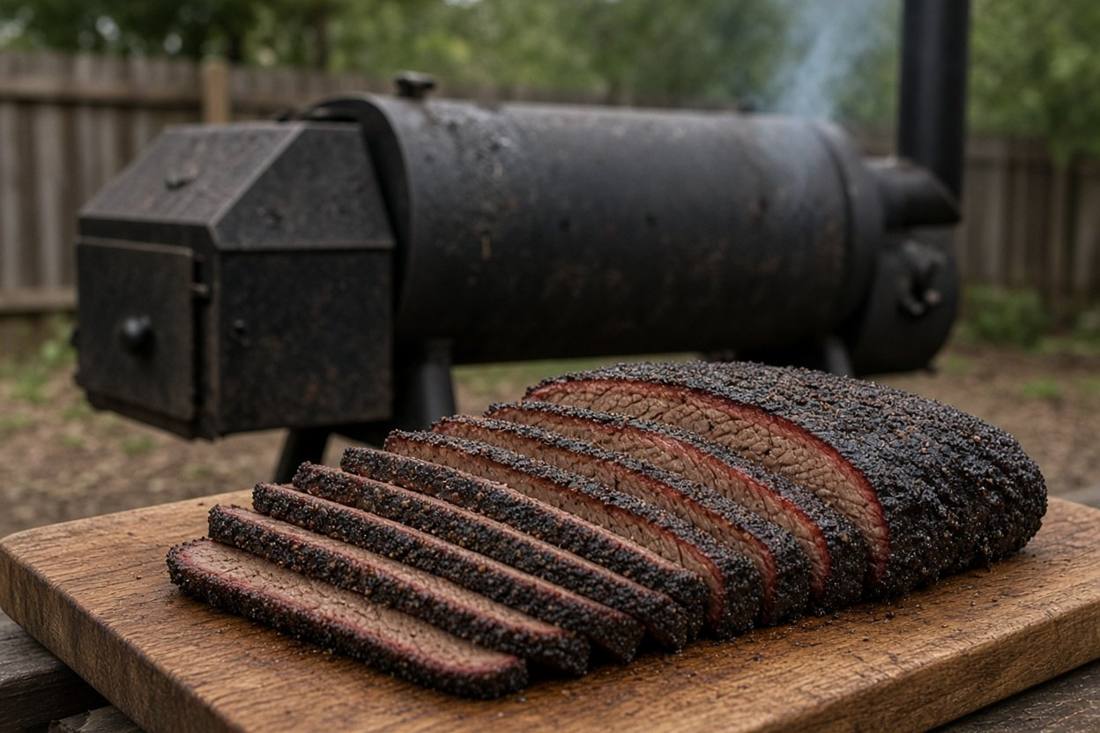
Start with one question
Every smoker cooks low and slow with smoke. What separates them is who runs the fire: you, or a machine. Answer this, and the choice gets short.
Will you tend the fire during a cook?
No. I want to set it and walk away.
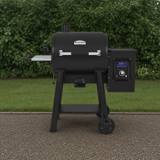
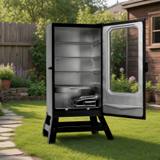
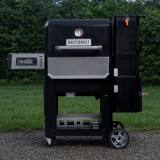
A little. I can check it every hour or two.
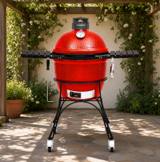
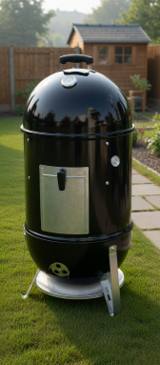
Yes. Running the fire is half the fun.
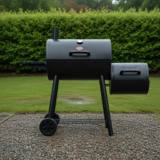
Easy to run, or built to last?
Here is each type's average score for Ease of Use and for Long-term Reliability, across the 44 smokers, pellet grills and kamados we have scored.
Ease of UseLong-term Reliability
Pellet smokers are the easiest to run, at 8.7, but score 7.0 to last. The vertical charcoal smoker is the reverse: 8.6 to last and 7.3 to run. The reason is parts. A machine that runs the fire for you needs a fan, a controller and often a motor, and each one is a part that can fail. A steel drum with two vents has almost nothing to break.
The offset smoker, gravity fed smoker and electric smoker types rest on fewer than four scored models each, so read those as a guide rather than a verdict.
Pick the flavor you want
The fuel sets the flavor. The more real wood and charcoal a smoker burns, the deeper the smoke.
- WoodOffset smoker
- Charcoal and woodVertical charcoal smoker, Kamado, Gravity fed smoker
- Wood pelletsPellet smoker
- Wood chips on an elementElectric smoker
Our scores do not rate flavor; this order follows how each fuel burns. Any of them makes good barbecue, and the gap is smaller than the gap between a well run fire and a badly run one.
Choose the size by what you cook
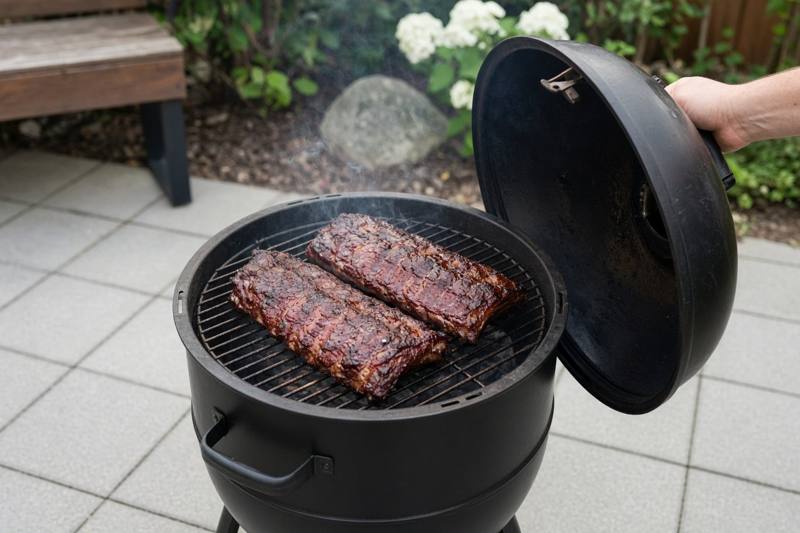
Think in racks and briskets, not square inches. A whole brisket is 14 to 18 inches long and needs a grate at least that wide. A rack of ribs lies flat in about 12 by 6 inches, or stands up in a rib rack.
The smokers we have scored offer 150 to 720 square inches of main grate, and the typical one 480. That middle size handles a brisket or three or four racks of ribs, enough for a family and a few guests. Cook for crowds often? Go bigger, or pick a vertical smoker, which stacks its racks.
What to check before you buy
- It holds heat. Thick steel, insulated walls or ceramic hold a steady temperature in wind and cold. Thin steel smokers swing and burn more fuel.
- It seals. Lids and doors should close snugly, with a gasket on kamados and cabinets. Leaks let smoke and heat escape and make the fire hard to control.
- You can add fuel without opening the food. A side door on a vertical smoker, a firebox door on an offset, a hopper you can reach on a pellet grill.
- A good thermometer. Lid gauges often read many degrees off the grate. Plan on a probe thermometer at grate level, or a pellet grill with a probe built in.
- Ash is easy to clear. An ash pan or drawer that slides out saves the messiest job.
- The warranty is long. It is the maker's own bet on how long the smoker lasts. Our guide to how long grills last compares them.
Our picks, by the way you cook
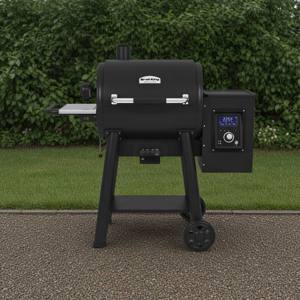
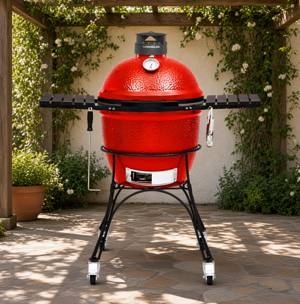
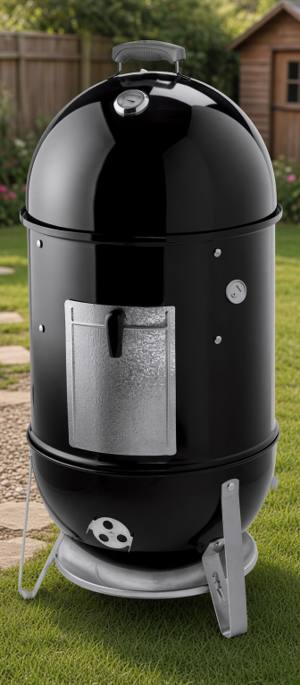
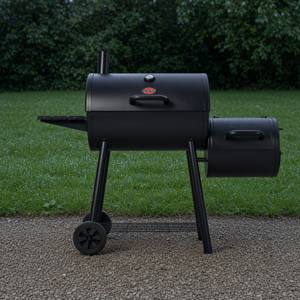
See every pick in our best smokers.
Questions people ask
- What is the best type of smoker for a beginner?
- A pellet smoker if you want the machine to run the fire, or a vertical charcoal smoker if you want to learn fire control on something forgiving and inexpensive. Our types of smokers guide explains each.
- Should I get a smoker or a grill that smokes?
- If you will smoke once a month or less, a grill that smokes is enough: a pellet grill, a kamado, or a charcoal kettle set up for two zone cooking. If you smoke most weekends or cook for crowds, a dedicated smoker holds low heat more steadily and fits more meat.
- Electric or pellet smoker?
- Pellet, if you can spend more. It burns real wood, so the smoke flavor is stronger, and most pellet grills can also grill. An electric smoker costs less and is the simplest to run, but its smoke is the lightest.
- Horizontal or vertical smoker?
- A horizontal offset spreads the meat out on one long grate and gives the deepest smoke, but takes more room and attention. A vertical smoker stacks the racks, fits a small patio, and holds heat more easily.
- How thick should the steel be on an offset smoker?
- The thicker the better. A quarter inch of steel holds heat far better than the thin sheet steel on budget offsets, which swing with the wind and burn through more fuel.