Weber Genesis E-315 vs E-330
Same 513 sq in grate, same 39,000 BTU mains, same 57.70 in cart. The E-330 adds a 13,000 BTU sear zone burner for $200. Who will use it, and who will not.

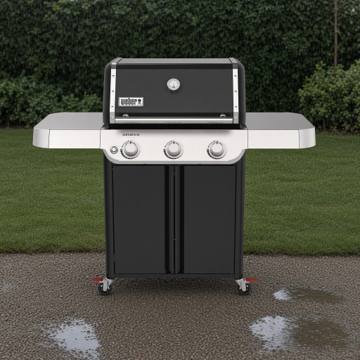
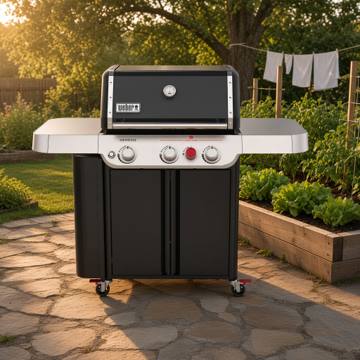
We pick the Weber Genesis E-330 Gas Grill
Buy the E-330 if you sear most weeks; it is the better cooker for $200. Both run 39,000 BTU across three PureBlu burners onto 513 sq in of cast iron, in a cart 57.70 inches wide. The E-330 adds a 13,000 BTU Sear Zone burner on a fourth knob, taking heat density from 76 to 101 BTU per square inch. If everything you cook goes on at one setting, the E-315 does that job identically.
What actually differs
-
A cool side that stays lit
On the E-315, a cooler side is a burner turned down or off, and that costs a third of the grate. On the E-330 the hot end is built in, so all three mains keep cooking while one stretch runs harder.
-
Neither grill is bigger
The sear stretch is part of the same 513 sq in, not added to it. Load either grate edge to edge with burgers and they cook the same. The extra burner only earns its keep when two foods want two heats.
-
A $200 gap that held through the sale
Weber's list prices and its discounted ones sit $200 apart on both. The warranty shape is identical, twelve years on the cookbox and lid, so the money buys a burner and nothing else.
How they score, category by category
The Weber Genesis E-315 scores higher in 1 category, the Weber Genesis E-330 in 2 categories. 3 are level.
-
Heat Performance
Counts for 25% of the scoreWeber Genesis E-315 8.0Weber Genesis E-330 9.5 Better by 1.5Why the Weber Genesis E-330 scores 9.5A dedicated 13,000 BTU sear burner under cast iron, on top of three even mains, which almost nothing under $999 offers.
Why the Weber Genesis E-315 scores 8.0
Even heat is the whole claim, but 39,000 BTU over 513 square inches is not a dense fire.
-
Long-term Reliability
Counts for 20% of the scoreWeber Genesis E-315 9.5Weber Genesis E-330 9.5Level: within a tenth of each other.
Why the Weber Genesis E-315 scores 9.5Twelve years on cookbox and lid, ten on everything sitting in the fire, five under the rest, better cover than rivals at this price.
Why the Weber Genesis E-330 scores 9.512 years on the cookbox and lid, 10 on the stainless burner tubes and the grates, which leads this tier outright.
-
Build Quality
Counts for 18% of the scoreWeber Genesis E-315 9.0Weber Genesis E-330 9.0Level: within a tenth of each other.
Why the Weber Genesis E-315 scores 9.0Porcelain-enameled lid and cast iron grates, stainless Flavorizer bars, painted steel doors, 162 pounds of cart.
Why the Weber Genesis E-330 scores 9.0Some 168 pounds of closed steel cart, carrying cast iron grates and the stainless bars that shield the burners.
-
Ease of Use
Counts for 15% of the scoreWeber Genesis E-315 8.5Weber Genesis E-330 9.0 Better by 0.5Why the Weber Genesis E-330 scores 9.0Two-zone cooking becomes a knob rather than a plan, and the locker keeps tools where the food is.
Why the Weber Genesis E-315 scores 8.5
Electronic ignition, six tool hooks and two fixed side tables, against an assembly job and 162 pounds.
-
Value
Counts for 12% of the scoreWeber Genesis E-315 7.5 Better by 0.8Weber Genesis E-330 6.7Why the Weber Genesis E-315 scores 7.5The listed $899.00 buys area and warranty years, while the Crafted grillware that widens its range is charged separately.
Why the Weber Genesis E-330 scores 6.7
The $200 over an E-315 buys one sear burner, no extra square inch, the same cabinet and still no side burner.
-
Maintenance
Counts for 10% of the scoreWeber Genesis E-315 7.5Weber Genesis E-330 7.5Level: within a tenth of each other.
Why the Weber Genesis E-315 scores 7.5The grease tray pulls straight out, but chipped enamel corrodes and paint carries only two years.
Why the Weber Genesis E-330 scores 7.5The grease tray pulls straight out, but cast iron grates want oiling and their enamel is a wear surface.
See all six scores in one table
| Category | Weber Genesis E-315 | Weber Genesis E-330 |
|---|---|---|
| Heat Performance (25%) | 8.0 | 9.5 Better |
| Long-term Reliability (20%) | 9.5 | 9.5 |
| Build Quality (18%) | 9.0 | 9.0 |
| Ease of Use (15%) | 8.5 | 9.0 Better |
| Value (12%) | 7.5 Better | 6.7 |
| Maintenance (10%) | 7.5 | 7.5 |
| Avid Griller Score | 8.4 | 8.8 |
Both reviews are scored on the same six weighted categories, on the same 0 to 10 scale, and each reason is the one that review gave. A category is marked better only where the two differ by a tenth or more. How we score →
Where the spec sheets differ
Quoted from each maker's own specifications, as each review records them. Figures the two products publish identically are left out, so only the differences are listed.
Which one is for you
You cook burgers, sausages and chops at one heat and want the same grate for $200 less.
Check price →You put a crust on steaks most weeks and want the rest of the grate working while you do.
Check price →More head-to-heads
Every score and figure on this page comes from our own reviews of these two products, linked above. We have not tested them side by side in one place; the comparison is between two full reviews, each built from the maker's published specifications and documentation. Prices move, and the ones quoted are the ones each review checked on its own date.